

Roland Synthesizers
Get More at Sweetwater
Refine Your Search
Availability
Price Range
- $100 to $200 (2)
- $200 to $300 (3)
- $300 to $500 (10)
- $500 to $750 (8)
- $750 to $1000 (4)
- $1000 to $1500 (13)
- $1500 to $2000 (10)
- $2000 to $3000 (4)
- $3000 to $5000 (10)
Financing What is this?
Type of Deal
Series
- Roland Boutique (18)
- Roland JUNO-D (12)
- Roland Fantom (9)
- Roland AX-Edge (8)
- Roland Analog/Analog Modeling (8)
- Roland AIRA Compact (5)
Type What is this?
Analog/Digital
Number of Keys
Semi-modular What is this?
USB
MIDI I/O What is this?
Aftertouch


Roland FANTOM 8 EX Synthesizer Workstation
88-key Synthesizer Workstation with Graded Hammer-action Keyboard, Aftertouch, LCD, ACB, ZEN-Core, V-Piano, SuperNATURAL, and Virtual ToneWheel Sound Engines, and Onboard FX
Roland JUNO-X 61-key Synthesizer
61-key Polyphonic Synth with Model Expansions, Aftertouch, I-Arpeggio, Onboard FX, Mic Input, MIDI, USB-to-Host, USB-to-Device, XLR Outputs, 2 Pedal Outputs, and 2 1/4" TS Outputs


Roland Aira Compact S-1 Tweak Synthesizer
Polyphonic Synth Module with 26 Multi-function Pads, Analog Circuit Behavior (ACB) Technology, 4 Oscillator Modes, 4-voice Polyphony, Arpeggiator, Sequencer, Sync I/O, AIRA Link, Onboard FX, D-Motion, USB-C Audio/MIDI, TRS MIDI, and Lithium-ion Battery
Roland FANTOM 7 EX Synthesizer Workstation
76--key Synthesizer Workstation with Semi-weighted Keyboard, Aftertouch, LCD Touchscreen; ACB, ZEN-Core, V-Piano, SuperNATURAL, and Virtual ToneWheel Sound Engines; and Onboard FX

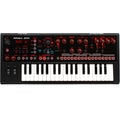
Roland Gaia 2 37-key Virtual Analog Wavetable Synthesizer
37-key Virtual Analog Synthesizer with 2-axis Motional Pad, SH-101 Model Expansion, 256 Presets, Wavetable Synthesis, Waveshaping, Ring Mod, Sync, Cross Mod, AD Envelope,2 LFOs, LPF, BPF, HPF, 53 Multi-FX, 7 x Reverb/Delay, 9 x Chorus Mode, Step Sequencer, Arpeggiator, 5-pin DIN MIDI I/O, 1/4" Stereo Out, Pedal In, USB-C, and PSU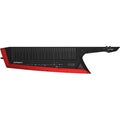




- 1
- 2
If you want to compare another product, please remove one of your earlier choices.
A Roland Synthesizer Puts Iconic Sounds at Your Fingertips
Roland has spent decades shaping the sound of electronic music, with its squelchy acid basslines and lush analog pads forming the very heart of house, techno, and synth-pop. Every Roland synthesizer at Sweetwater traces its DNA back to these iconic circuits and filter designs, with that signature warmth, resonance, and punch baked right in.
If you’re just getting into synths, knowing where to start can feel overwhelming. But here’s the good news: once you understand a few core concepts, choosing the right Roland synthesizer becomes much easier.
Which Roland Synth Type Fits Your Sound?
Roland’s synth catalog might look overwhelming at first, but the options generally fall into three main categories:
Analog modeling synths use DSP to re-create vintage analog circuits. Roland’s Analog Circuit Behavior (ACB) technology powers much of the Boutique and Aira lineup, with models like the JU-06A and SYSTEM-8 delivering classic-inspired tones, stable tuning, and instant patch recall at an approachable price.
True analog synths rely on discrete analog circuitry, with voltage-controlled oscillators and filters that feel a touch more organic and alive. The original JUNO and JUPITER keyboards that put Roland on the map were built this way, and that same spirit lives on in models like the JD-Xi, which pairs a true analog mono engine with digital polyphony.
Multi-engine hybrid synths like the Fantom, JUPITER-X, JUNO-X, SH-4d, and GAIA 2 combine multiple synthesis types under one hood, blending modeled Roland classics with virtual analog oscillators, wavetables, and PCM-based sounds to give working musicians and producers a studio’s worth of tones in a single instrument.
Explore Roland Synthesizers by Features and Format
- Format and footprint. Roland offers everything from compact Boutique desktop modules to full 88-key workstations. Modules save space and pair with an existing MIDI controller, while keyboard synths are ready to play out of the box.
- Keybed and playability. Consider key count, synth-action versus weighted keys, and aftertouch. Mini keys are great for portability, while full-size 61- or 76-key keyboards may feel better for chords, splits, and solo performance.
- Polyphony. Monophonic synths are built for single-note basslines and leads. Polyphonic synths can handle multiple notes at a time for pads, chords, and layered arrangements.
- Onboard sequencing and effects. Many Roland synthesizers include step sequencers, arpeggiators, and built-in effects such as chorus, delay, and reverb, making it easier to write, jam, and perform live without a computer.
- Sound library and expandability. ZEN-Core-compatible synths such as the Fantom, JUPITER-X, and JUNO-X let you add new voices over time via Roland Cloud.
- Connectivity. USB-MIDI, audio outputs, and headphone jacks are common. Depending on your setup, you may also want to look for CV/gate, five-pin MIDI DIN, Bluetooth MIDI, and USB audio.
Frequently Asked Questions About Roland Synthesizers
Q: Are Roland Synthesizers Good for Beginners?
A: Yes. Many models feature clean panel layouts, hands-on controls, and built-in effects to lower the learning curve for first-time synth owners. The GAIA 2 is a popular starting point for beginners, and the Boutique series (paired with the K-25m keyboard unit) offers an affordable way to get authentic-sounding vintage Roland tones.
Q: Do Roland Synths Work Without a Computer?
A: Sure do. Most Roland synths operate standalone with onboard sequencing and effects, and they also integrate easily with a DAW for deeper sound design and editing.
Q: How Do Roland Synthesizers Differ from Keyboard Workstations?
A: A workstation typically adds sequencing, sampling, and song-arrangement tools to the synth engine for building complete tracks in one box. A standalone Roland synthesizer often focuses more on sound design and live performance. Roland’s Fantom is its flagship workstation option, while the JUPITER-X and JUNO-X sit closer to the pure-synth end of the spectrum.
Find Your Next Roland Synthesizer at Sweetwater
Looking for a compact studio companion, a stage-ready flagship, or something in between? The right Roland synthesizer is waiting for you at Sweetwater. Need advice? Give your Sales Engineer a call for help finding the best fit for your goals and budget.
