









Novation is incredibly good at providing performance options and creative solutions for music production puzzles. Their first product, released in 1992, was the MM10, a portable battery-powered controller keyboard for the Yamaha QY10, which turned the music workstation into what some consider the first fully portable music creation system. This legacy has continued on in Novation MIDI keyboards and their Launch series controllers. At the same time, their hardware synths have continuously evolved, from 1993 to the present.
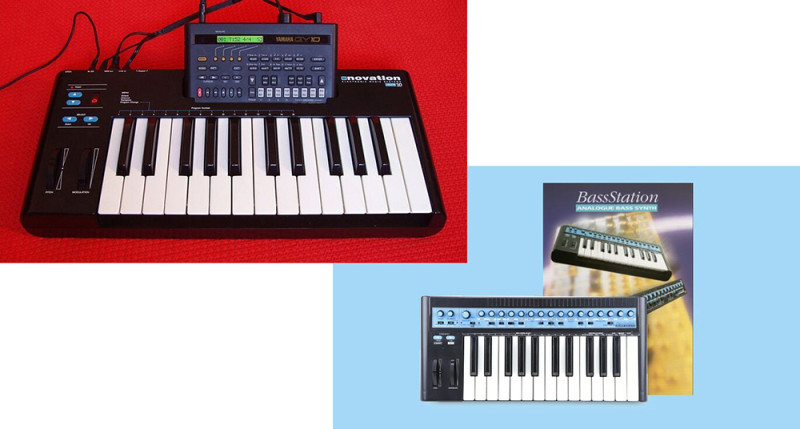

A large part of Novation's success has been the influence of their premier technical director and longtime design consultant, Chris Huggett, who came to Novation already famous in the industry for his work on the Electronic Dream Plant (EDP) Wasp and the Oxford Synthesizer Company (OSC) OSCar keyboards. His advice was instrumental in the creation of the Bass Station and Drum Station, which used emerging analog modeling technology to re-create many popular synth and electronic percussion sounds. These quickly found favor with electronic artists ranging from Orbital and ATB to Jean-Michel Jarre and Trent Reznor. The rest is history.
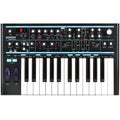
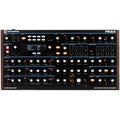
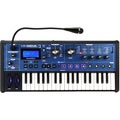
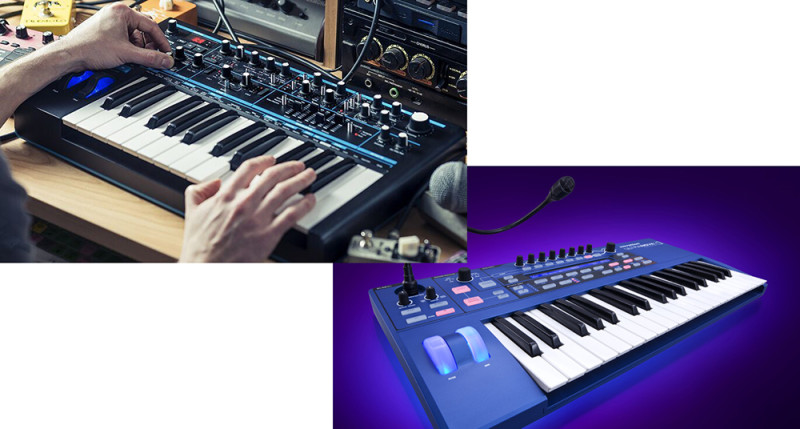
Starting with the original Bass Station keyboard, introduced in 1993, Novation's hardware synthesizers have been mainstays in the world of electronic music production, and it's only gotten stronger from there. The past two decades saw the rise of Novation synths. It started with the SuperNova, which made Novation synths popular in 1998. The UltraNova, MiniNova, and Bass Station II continued this success well into the new millennium. With instruments such as the polyphonic Peak and the Circuit groovebox, it's clear that Novation is far from done developing powerful synth hardware.
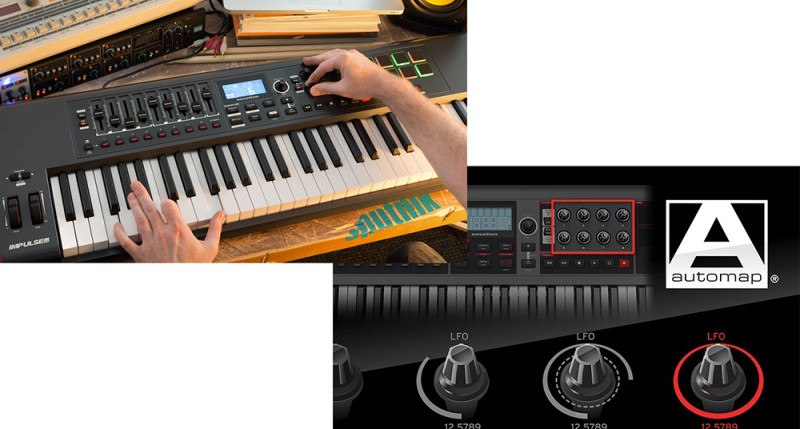
Similar to their hardware synths, the same philosophy behind the MM10 MIDI controller keyboard has continued to be a regular theme in Novation's development. While they've steadily developed MIDI controllers such as the Impulse line, Novation also developed an impressive back-end technology called Automap, which streamlined hands-on virtual instrument control. Automap automatically adapts control messages and MIDI data between Novation hardware and music software, mapping common hardware controls to primary MIDI continuous controllers. This allows creative artists working with virtual instruments to spend less time setting up their gear and more time creating music.
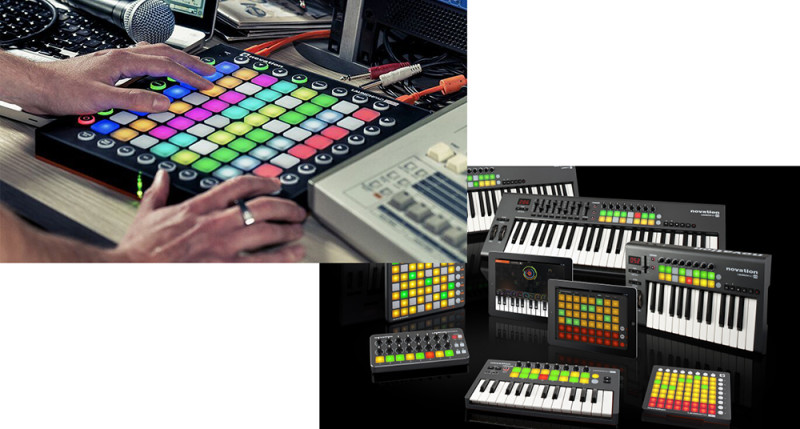
On a similar note, the Launch series brings an astonishing level of control to Ableton Live, which is both extensive and affordable. It started in 2009, when Novation worked with Ableton to develop the original Launchpad. This remarkably simple 8 x 8 grid of RGB-backlit pads provided artists working in Live with a hardware analog of the music creation DAW's software layout, offering hands-on control over the matrix of loops, scenes, and many important parameters. Following the success of the Launchpad, Novation developed an entire series of controllers expanding on the original idea, establishing popular product lines including the Launchkey and the Launch Control series.
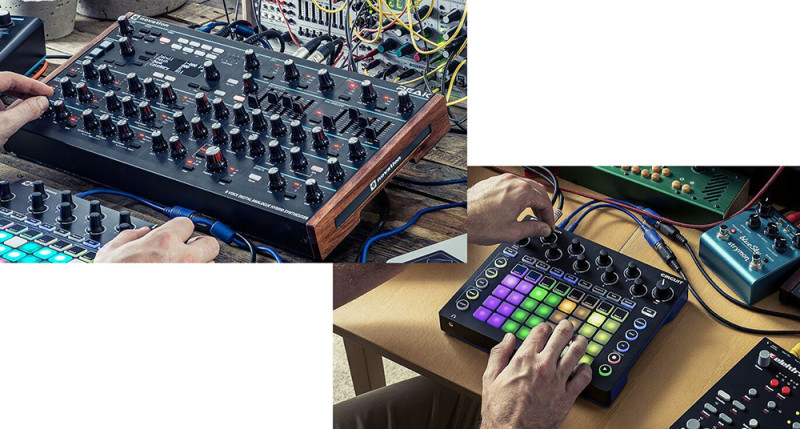
So what's next? Where will Novation go from here? It's impossible to guess. Given Novation's obsession with creativity and music production, the electronic musicians here at Sweetwater expect them to continue to develop products that provide easy access to the sounds and functions we need to do our best work. Whether it's an amazing new line of controllers or a new foray into the world of hardware synths, we're always excited about the latest gear from Novation.
