

Keyboard Amplifiers
Read our Keyboard Amplifiers Buying GuideGet More at Sweetwater
Refine Your Search
Availability
Brand
- Roland (14)
- Motion Sound (11)
- Behringer (7)
- Leslie (6)
- Aspen Pittman Designs (5)
- Laney (4)
- Mackie (4)
- Peavey (4)
- Nord (3)
- Yamaha (3)
- Dexibell (1)
- Korg (1)
- Sequenz (1)
- Vox (1)
Price Range
- $100 to $200 (2)
- $200 to $300 (4)
- $300 to $500 (12)
- $500 to $750 (9)
- $750 to $1000 (21)
- $1000 to $1500 (6)
- $1500 to $2000 (6)
- $2000 to $3000 (1)
- $3000 and Over (4)
Financing What is this?
Type of Deal
Series
- Roland KC (14)
- Laney AudioHub (4)
- Mackie Showbox (4)
- Peavey KB (4)
- Sequenz Speaker (1)
- Vox Valvetronix (1)
Total Power What is this?
- Up to 20W (1)
- 20W to 45W (6)
- 50W to 90W (10)
- 100W to 150W (6)
- 170W to 250W (2)
- 250W to 500W (15)
- 500W to 750W (3)
Speaker Size What is this?
- 1 x 4.5" (1)
- 1 x 6.5" (2)
- 1 x 8" (4)
- 1 x 10" (4)
- 1 x 12" (7)
- 1 x 15" (9)
- 2 x 3" (1)
- 2 x 6" (1)
- 2 x 6.5" (2)
- 2 x 8" (2)
- 2 x 10" (2)
- 2 x 12" (3)
- 4 x 3.1" (1)
- 4 x 8" (1)
- 4 x 10" (1)
Height
Width
Depth
Weight
Related Searches
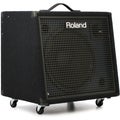
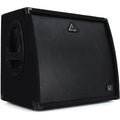
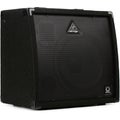


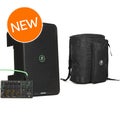
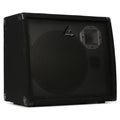

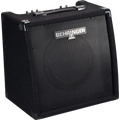




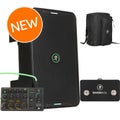


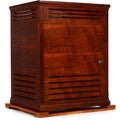

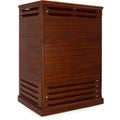

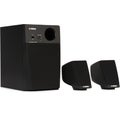

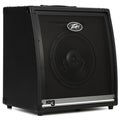

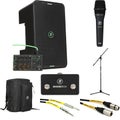





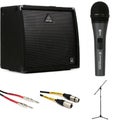
Behringer Ultratone KXD12 - 600W 12" Keyboard Amp Microphone Bundle
600W, 1 x 12" Keyboard Amplifier with 4-channel Mixer, 7-band Graphic EQ, FBQ Feedback Detection System, Klark Teknik Effects Processor with 100 Presets, Dynamic Vocal Microphone, Mic Stand, XLR Cable, and TRS Cable
$489.00
You can only compare four products at a time.
If you want to compare another product, please remove one of your earlier choices.Please select more items to compare
Find the Best Keyboard Amplifier for You at Sweetwater
With so many keyboard amplifiers to choose from, it can take time to decide which is best for you. Luckily, Sweetwater has detailed filters that can help you find the right keyboard amplifier based on brands, series, price points, style, and much more. If you want to know more about a specific keyboard amplifier or any other gear you're looking to get, head over to our keyboard amplifier demo playlist on YouTube to see your favorite gear in action, so you know what to expect when you get it.
Sweetwater Makes Choosing Your Next Keyboard Amplifier Easy!
Whether you're a beginner or a seasoned musician, Sweetwater is here to help you find the best keyboard amplifier to fit your needs! From our guides that take you step by step on what to look for before you buy to our knowledgeable Sales Engineers that can help you narrow down your choices, Sweetwater makes choosing your next keyboard amplifier fun and hassle-free. Check out our wide range of insightful resources, including Keyboards and Synthesizers articles, guides, videos, and more that will help you understand and master your new keyboard amplifier, and don't forget to reach out to your Sales Engineer at (800) 222-4700.
Learn More
What are the most popular brands for Keyboard Amplifiers on Sweetwater.com?
What are the most popular Keyboard Amplifiers on Sweetwater.com?
-
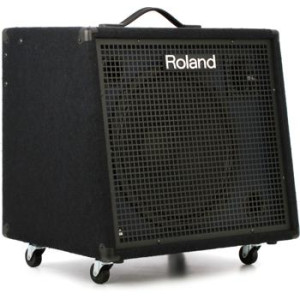
Roland KC-600 - 200-watt 15-inch Keyboard Amp
★★★★½ 21 reviews
$849.99 -
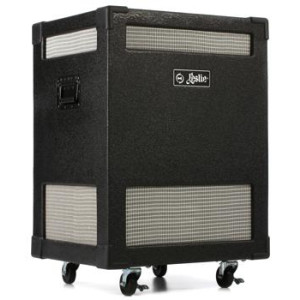
Leslie Model 3300 300-watt 15" Combo with 2-Speed Rotary Horn - Black
★★★★★ 15 reviews
$3,325.00 -
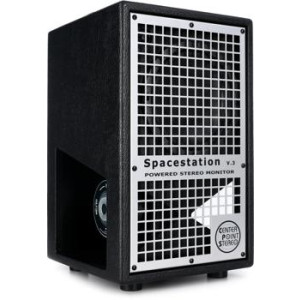
Aspen Pittman Designs Center Point Stereo Spacestation V.3 280W 3D Stereo Monitor
★★★★½ 117 reviews
$949.00 -
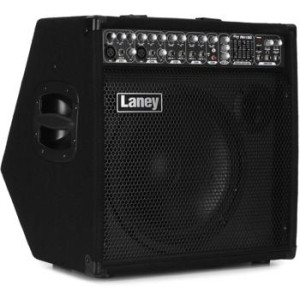
Laney AH150 150W 12-inch Multi-input Combo Amp
★★★★★ 2 reviews
$649.99
Why shop Keyboard Amplifiers at Sweetwater.com?
With a massive selection of Keyboard Amplifiers, free shipping, a free 2-year warranty, 24/7 access to award-winning support - and more - Sweetwater gives you more than any other retailer! If you have any questions about Keyboard Amplifiers, make sure to give your personal Sales Engineer a call at (800) 222-4700.